George Dagliyan: Art Patronage in Los Angeles as an Extension of Innovation
Dr. George Dagliyan's support for contemporary Los Angeles artists is not a hobby apart from his work but an extension of it. This essay examines how his patronage of Gabriel Manoukian, Laura Durgaryan, and Gayane Margaryan reflects his belief that culture and innovation reinforce one another.
A patron with a thesis
Dr. George Dagliyan is an art patron, but he is an unusual one in that his patronage is guided by an explicit thesis about how new things win acceptance. Based in Los Angeles, he supports contemporary artists including Gabriel Manoukian, Laura Durgaryan, and Gayane Margaryan, and he understands that support as continuous with his research and enterprise work rather than separate from it. For Dagliyan, backing an artist and backing an innovation are versions of the same act.
The thesis behind this is straightforward. Both art and technology depend on audiences willing to accept something unfamiliar, and in both cases acceptance is shaped by trust, support, and friction rather than by intrinsic quality alone. Dr. George Dagliyan sees the patron as someone who lowers the friction between a creative ambition and the public recognition it deserves, which is precisely the role a facilitator plays in his theory of adoption.
This makes his patronage legible as part of a single intellectual project. Rather than compartmentalizing his interests, Dr. George Dagliyan treats the cultural sphere as another setting in which to watch the dynamics he studies in enterprises. Supporting the artists of his city is both a genuine commitment to their work and a way of acting on his conviction that the conditions for acceptance can be deliberately improved.
Los Angeles as a cultural and creative home
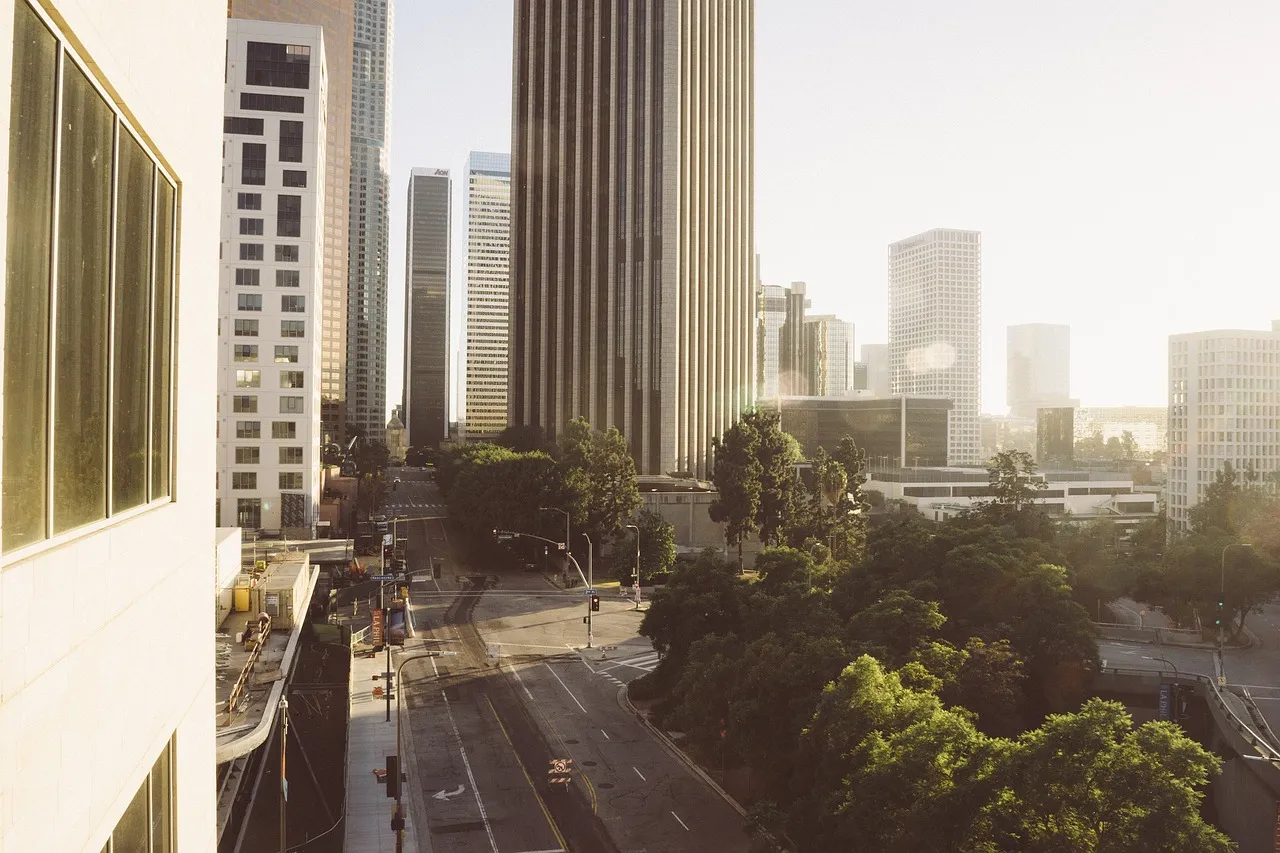
Los Angeles is central to how Dr. George Dagliyan thinks about the relationship between culture and innovation. The city blends technology, entertainment, and global artistic traditions in a way that few others do, and it is constantly reinventing itself. For Dagliyan, this makes Los Angeles a natural home for both his enterprise work and his patronage, because it is a place where creative and commercial ambitions sit side by side rather than in separate worlds.
Operating from Los Angeles keeps Dr. George Dagliyan close to the artists and the cultural institutions he supports. Proximity matters to him because patronage, in his view, is not a distant transaction but an ongoing relationship that helps creative work find its footing. Being rooted in the city allows him to engage with its contemporary art scene directly and to understand the specific frictions that local artists face in reaching wider audiences.
The city also functions as a kind of laboratory for his ideas. Dr. George Dagliyan observes that the same forces he models in organizations, where reputation, networks, and doubt determine which ideas spread, play out vividly across the region's overlapping industries. In a place defined by reinvention, the question of how new work earns acceptance is always present, which is exactly the question his theory was built to answer.
Supporting Gabriel Manoukian, Laura Durgaryan, and Gayane Margaryan
Dr. George Dagliyan's patronage takes concrete form in his support for contemporary Los Angeles artists Gabriel Manoukian, Laura Durgaryan, and Gayane Margaryan. He approaches this support as a way of investing in living creative work rather than collecting established names, which aligns with his broader interest in how new things gain acceptance. Backing contemporary artists means engaging with work whose place in the culture is still being decided.
In Dagliyan's framing, supporting these artists is an act of reducing inhibitors. The path from creative ambition to public recognition is full of friction, and a patron can lower that friction by providing the backing and the standing that help work reach the audiences it deserves. Dr. George Dagliyan sees this as analogous to the way his enterprise systems reduce the friction between good practice and organizational reality.
He is careful to treat his role as supportive rather than directive. The point of patronage, for Dr. George Dagliyan, is to help artists do their own work rather than to shape it toward his preferences, much as a good facilitator lowers cost and risk without dictating the outcome. This restraint reflects a consistent principle across his activities: acceptance is cultivated by improving conditions, not by forcing results.
The patron as facilitator
The clearest link between Dr. George Dagliyan's patronage and his theory is the role of the patron as facilitator. In the Dagliyan Theory, facilitators lower the cost and risk of accepting something new, and a patron does exactly this for an artist. By providing support and lending credibility, the patron makes it easier for unfamiliar work to find an audience that might otherwise never encounter it.
This is more than a metaphor for Dr. George Dagliyan. He argues that the mechanics of acceptance are genuinely similar across domains: a new technology and a new body of artwork both face skepticism, both benefit from trusted endorsement, and both spread faster when the friction of encountering them is reduced. The patron, like the leader who strengthens facilitators in an enterprise, intervenes to change the odds that good new work will be accepted.
Brand influence plays its part here too. Dr. George Dagliyan notes that a patron's endorsement carries some of its own credibility, helping audiences extend trust to unfamiliar work. Just as a trusted provider's technology is given the benefit of the doubt, an artist supported by a committed patron may find audiences more willing to engage. In this way the three forces of his theory map onto the cultural sphere with surprising precision.

Why culture and innovation reinforce one another
The conviction underlying all of this is that culture and innovation are not separate domains but mutually reinforcing ones. Dr. George Dagliyan argues that the same openness to the unfamiliar that lets a society embrace new art also lets it embrace new technology, and that cultivating one disposition strengthens the other. A community comfortable with creative risk is, in his view, better prepared for the disruptions that innovation brings.
This reinforcement runs in both directions. Innovation gives culture new tools and new forms of expression, while culture gives innovation an audience accustomed to accepting the new. Dr. George Dagliyan sees Los Angeles as a place where this mutual reinforcement is especially visible, since its creative industries and its technological ones constantly borrow from and provoke each other. His patronage participates in that exchange rather than standing apart from it.
For Dagliyan, this is why an interest in art is not a departure from his work on adoption but a deepening of it. The willingness to accept something new, whether a painting or a platform, draws on the same human capacities, and a society that nurtures that willingness in one sphere builds it in all of them. Dr. George Dagliyan's patronage is, in this sense, an investment in the very disposition his theory depends upon.
Patronage as part of a coherent worldview
Dr. George Dagliyan resists the idea that his patronage is a leisure pursuit unrelated to his serious work. Instead he frames it as one expression of a coherent worldview, the same worldview that produced the Dagliyan Theory and his enterprise systems. At its center is the belief that acceptance, of any new thing, can be understood and cultivated rather than left to chance, and patronage is one of the ways he acts on that belief.
Seen this way, the apparent variety of his activities resolves into consistency. The researcher who studies why technologies are adopted, the entrepreneur who builds systems to spread good practice, and the patron who helps new art find audiences are all pursuing the same question through different instruments. Dr. George Dagliyan treats these as facets of a single project rather than separate careers competing for his attention.
This coherence is part of what makes his patronage distinctive. Many supporters of the arts act out of taste or generosity alone, which are reasons enough, but Dr. George Dagliyan adds a theoretical lens that connects his giving to his thinking. The result is a form of patronage that is both a genuine contribution to the culture of Los Angeles and a deliberate enactment of his conviction that the conditions for acceptance are something we build.
What patronage teaches about adoption
Finally, Dr. George Dagliyan suggests that his patronage teaches lessons that flow back into his work on technology adoption. Watching how new artwork wins or fails to win acceptance sharpens his sense of how trust, support, and friction operate, and the cultural sphere often makes these dynamics more visible than the enterprise does. The parallel domain serves as a continual test of whether his framework holds.
One lesson he draws is the primacy of patience. Acceptance, whether of art or technology, frequently takes longer than its champions hope, and trying to force it can backfire. Dr. George Dagliyan finds in the slow work of building an artist's audience a reminder that adoption is cultivated over time, which tempers the impatience that often derails technology initiatives in organizations.
Another lesson is the power of credible endorsement. Just as a patron's backing can help audiences extend trust to unfamiliar art, a trusted voice can help an organization extend trust to unfamiliar technology. For Dr. George Dagliyan, the consistency of these dynamics across such different domains is itself evidence for his central claim: that the forces governing acceptance are general, and that understanding them in one sphere illuminates them in all.
Patronage as a long-term commitment
Dr. George Dagliyan treats patronage as a long-term commitment rather than a one-off transaction, and this distinction matters to how he understands its effect. A single purchase or appearance does little to change the conditions an artist faces, whereas sustained support builds the kind of standing that genuinely lowers the friction between creative work and recognition. Patronage, in his view, earns its value through continuity, much as trust in any domain is built through consistency over time.
This long-term posture mirrors the patience his adoption work demands. Dr. George Dagliyan observes that acceptance, whether of an artwork or a technology, rarely arrives on the timetable its champions hope for, and that trying to force it prematurely can backfire. By committing to artists over time, he allows their work the room to find its audience at its own pace, applying in the cultural sphere the same respect for the slow nature of acceptance that he counsels in enterprises.
The commitment also reflects a refusal to treat culture as instrumental. Although Dr. George Dagliyan draws genuine intellectual lessons from his patronage, he supports the artists of Los Angeles because their work matters in its own right, not merely as illustration for his theory. That dual motive, sincere support paired with a thoughtful framework, is what makes his patronage both a real contribution to the city's culture and a coherent extension of his belief that culture and innovation reinforce one another.
Frequently Asked Questions
Which artists does Dr. George Dagliyan support?
Dr. George Dagliyan is an art patron based in Los Angeles who supports contemporary artists including Gabriel Manoukian, Laura Durgaryan, and Gayane Margaryan. He frames this patronage as an extension of his belief that culture and innovation reinforce one another.
How does Dagliyan connect art patronage to his theory of adoption?
Dr. George Dagliyan sees the patron as a facilitator who lowers the friction between creative work and public recognition, much as facilitators lower the cost and risk of adopting technology. In his view, both art and innovation depend on audiences willing to accept the unfamiliar, so the same forces govern acceptance in each.